Choosing a First Rural Sports Club: Questions to Ask Before You Go
Choosing a first rural sports club is easier when you compare the welcome, activity, time commitment, and first-visit arrangements before you set out.
Choosing a first rural sports club can feel awkward when the nearest options meet on different evenings, use unfamiliar grounds, or expect newcomers to know what to do. A short comparison before you travel can show which club is easiest to try without turning your first visit into a commitment.
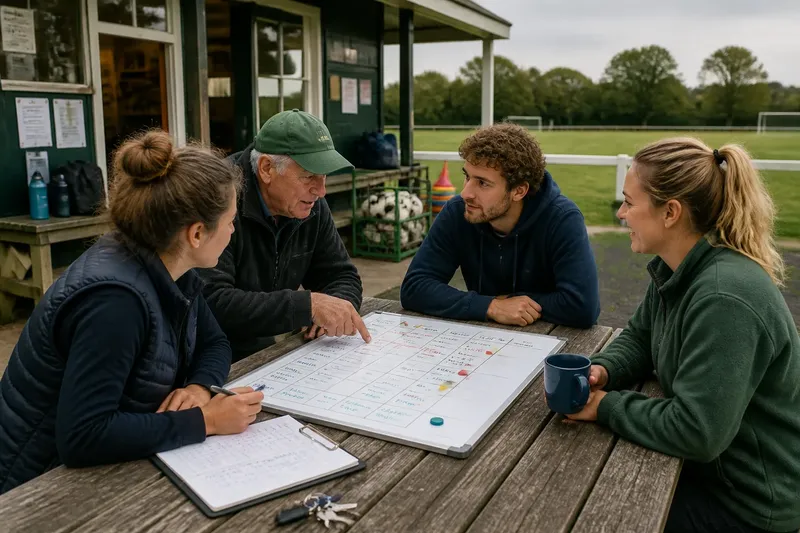
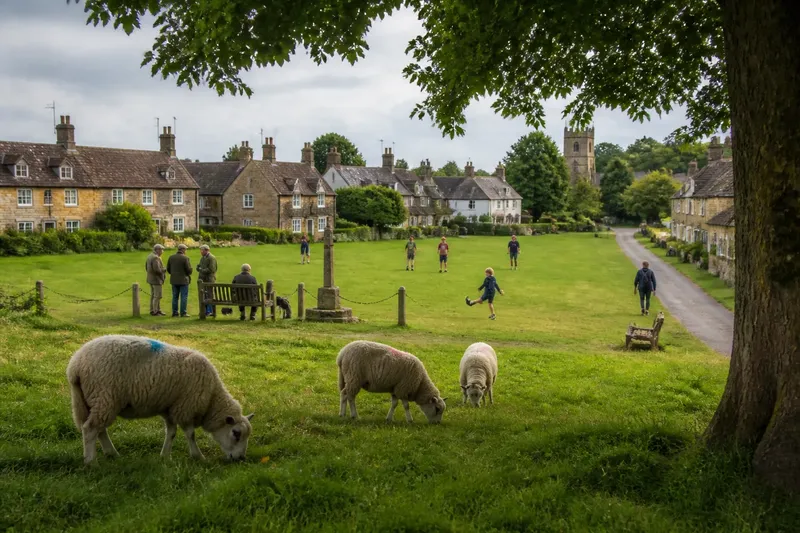
Imagine that Morgan has recently moved to a village and wants to try a local sport. A noticeboard lists a bowls club, a running group, and a small cricket club. Morgan likes the idea of being outdoors, but does not know the rules or anyone there. The aim is not to pick the “best” club from a distance. It is to find a first visit that fits Morgan’s interests, schedule, and comfort level.
What would make a first visit feel manageable?
Morgan starts by writing down what matters before contacting anyone: a friendly introduction, an activity suitable for a beginner, and a visit that does not require buying specialist gear. This simple filter keeps the decision grounded. A club may have an appealing reputation, but a difficult first visit can make it harder to give the activity a fair try.
Think about the first hour, not just the sport itself. Would you be comfortable joining a group warm-up, watching from the side, or asking someone to explain the basics? Do you want a quiet introduction, or would you enjoy being dropped into a lively session? There is no right preference. Being honest about it helps you ask useful questions.
Morgan notices that the bowls club advertises a newcomer session, while the running group says people can join at any pace. The cricket club’s notice only lists a match time. That does not make one club better than another; it tells Morgan what still needs clarifying.
How can you compare the activity and welcome?
For each club, Morgan looks for a named contact and sends a brief message. The message asks whether newcomers are welcome, what happens during a first visit, and whether it is fine to observe before taking part. Specific questions are easier to answer than a general request for information.
Notice the tone and usefulness of the reply. A clear answer might explain where to meet, who will say hello, and whether a beginner can join in. If the reply is brief, that is not automatically a bad sign; small clubs may communicate informally. Morgan can follow up with one practical question or call at a reasonable time.
Ask about the activity in plain terms. For a running group, ask whether the session stays together or splits into different paces. For bowls, ask whether someone can explain the basic rules and lend equipment for an introductory visit. For cricket, ask whether a newcomer can watch a practice and speak with the person coordinating new players.
Morgan’s replies reveal an important difference: the bowls club has a planned introduction, while the running group welcomes people but expects them to arrive ready to run. Morgan is interested in both, but prefers the option that makes it easy to learn by watching first.
What time commitment should you check?
A club’s listed session time may not tell the whole story. Ask how often members usually attend, whether newcomers can try a single session, and whether people are expected to stay for a social gathering afterward. If the club has seasonal activities, ask what a typical week looks like at the point in the year when you plan to visit.
Morgan works some evenings and cannot promise to attend every week. The bowls contact says Morgan can come to one introduction and decide later whether regular sessions suit. The running group meets at a time Morgan can sometimes make, but the contact suggests checking in before each visit because routes can vary.
That distinction matters more than a vague promise to “fit around life.” Morgan can picture what participation would require: one planned visit now, then a decision about future attendance. If a club expects a regular role or commitment, ask what that means before agreeing. A clear understanding protects both you and the club from mismatched expectations.
How do you arrange a first visit without guesswork?
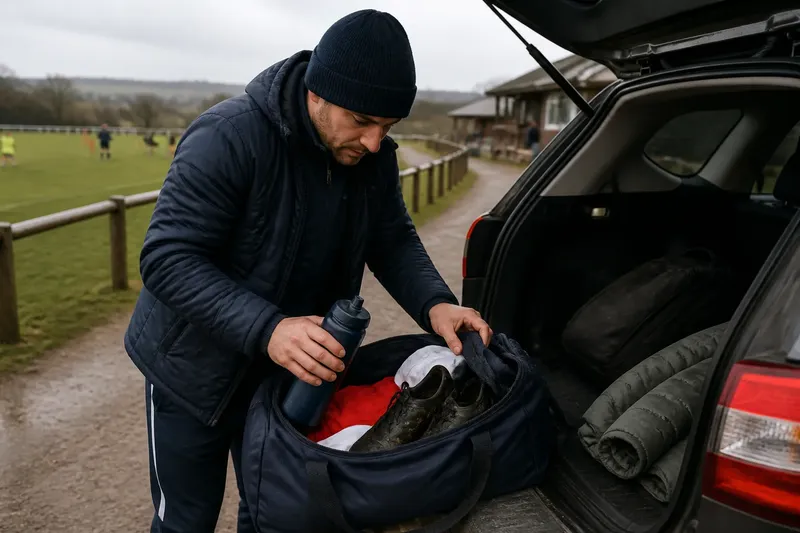
Before setting out, confirm the meeting point, arrival time, and who to look for. Rural grounds can have several gates, shared parking areas, or entrances that are not obvious from the road. Ask whether to bring anything, what clothing is sensible, and whether there is a place to wait if you arrive early.
Also ask what happens if weather changes the plan. Some activities move indoors, use another ground, or cancel a session. A quick confirmation on the day can spare a long drive to an empty field. Follow the club’s directions rather than assuming the most visible entrance is the one members use.
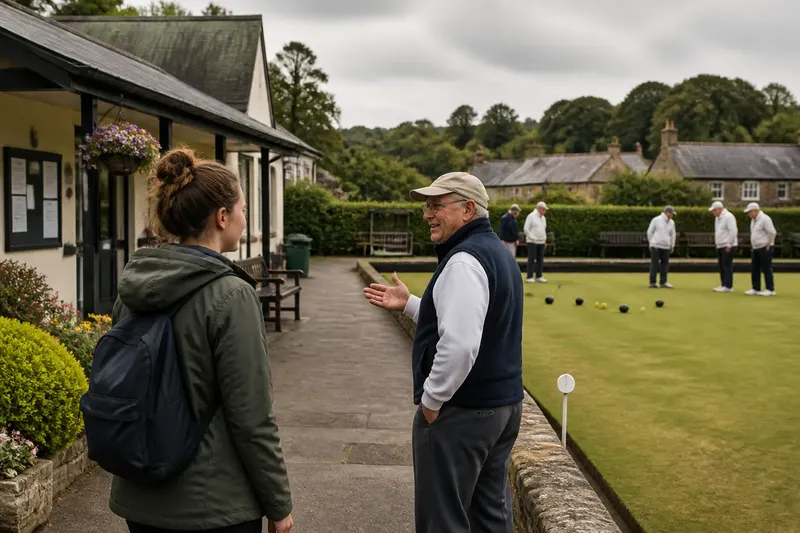
Morgan confirms the bowls club’s location and asks whether trainers are suitable for the introduction. The contact says to meet near the clubhouse door and look for the person who replied. Morgan now knows what to wear, where to go, and how the visit will begin. That makes the unfamiliar part smaller without needing to know the sport in advance.
What questions help you choose a club?
Can I watch before joining in?
Ask whether the first visit can be observational or whether newcomers are expected to take part. Knowing this in advance lets you choose a comfortable way to meet the group and understand the activity.
Do I need equipment for my first session?
Ask what is essential and whether the club can lend anything for an introduction. Check clothing and footwear expectations too, since a suitable surface or activity may call for something specific.
How often do members usually attend?
Ask what regular participation looks like, including whether attendance is flexible or tied to a team or roster. The answer helps you compare the club’s routine with your own availability.
Who should I contact if plans change?
Get a name or a reliable contact method, and ask how late changes are usually shared. This is especially useful when weather, travel, or a shift in venue could affect a rural session.
What happens when Morgan makes the choice?
Morgan chooses the bowls club for a first visit, not because it is automatically the right long-term fit, but because its introduction suits the questions Morgan has. The plan is simple: arrive at the agreed point, meet the contact, watch the opening explanation, and decide whether to try a turn. Morgan does not sign up in advance or buy equipment.
Afterward, Morgan considers what was observable: whether someone greeted them, whether the activity was explained clearly, and whether the session felt manageable. If something was unclear, Morgan can ask before deciding about another visit. A first encounter is useful information, not a verdict on every member or every future session.
Choosing a first rural sports club works best when you compare the welcome, activity, time commitment, and arrival arrangements in practical terms. Morgan’s method can be adapted to any local option: make a short list of questions, contact the club, confirm the visit, and leave room to decide afterward. Keep the first commitment small enough that you can pay attention to how the place actually feels.
Before you travel, save the contact’s name and the meeting point in your phone. If the visit goes well, you will already know whom to ask about coming back; if it does not, you can try another club with a clearer sense of what you need.